
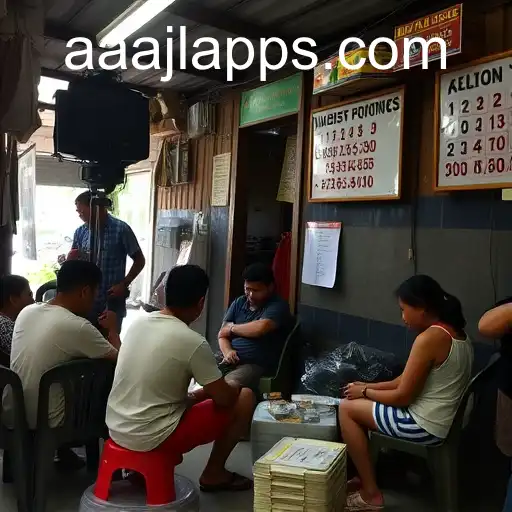
AAAJL | Exploring the Complex World of Jueteng and Its Impact
AAAJL’s An in-depth look at the controversial numbers game known as Jueteng, its influence on society, and the efforts to regulate or eliminate it.
Understanding Jueteng: A Philippines Phenomenon
Jueteng is a popular numbers game in the Philippines that has a storied history of both cultural significance and controversy. It is an illegal lottery game widely played across the archipelago, particularly in the provinces, though it has also found its way into many urban centers. Despite its illegality, Jueteng remains deeply rooted in the fabric of Filipino society, often functioning as a livelihood for many.
The Mechanics of Jueteng
The game itself is quite simple. Players pick a combination of numbers, usually ranging from 1 to 37, and place their bets with local collectors known as cobradores. When the draw occurs, two winning numbers are randomly selected from separate sets, and players win if they have chosen the correct combination. Payouts can be significantly high, especially relative to the modest bet amounts, which makes this game an attractive form of gambling for many.
The Cultural Significance of Jueteng
Jueteng has its roots in the Spanish colonial era, when it was originally established as a legal form of entertainment. Over time, it transformed into an underground activity, due in no small part to its widespread popularity beyond colonial oversight. Today, Jueteng is more than just a game; it is part of a cultural identity in many regions. Its pervasiveness has been fueled by socioeconomic factors, where people turn to Jueteng as a means of hope amidst economic struggles.
The Economic Dimension
Financially, Jueteng generates substantial amounts of money that circulate within local economies. It's often argued that for many rural communities, the operation of Jueteng might be providing more consistent income opportunities than other forms of employment. The employment chain includes the kubrador who collects bets, the cabuyao, the operator who manages the day-to-day draws, and the financiers who bankroll the operation.
The Legal and Political Battle Against Jueteng
From a legal standpoint, Jueteng is considered a form of illegal gambling, punishable by imprisonment and fines under current laws. However, enforcement challenges abound, mainly due to widespread corruption and bureaucratic inefficiencies. Policymakers have been grappling with the issue for decades, attempting various approaches to curb its prevalence. These initiatives include crackdowns and arrests, but such strategies have so far yielded little long-term success.
Corruption and Influence
One of the most significant challenges in eradicating Jueteng is its entanglement with political affairs. Over the years, numerous reports have surfaced implicating both local officials and national figures in Jueteng-related scandals. Some officials see Jueteng operations as a way to earn illicit income or as a stepping stone to garner local support, creating symbiotic relationships with Jueteng operators.
The Challenge of Legal Alternatives
Efforts have been made to introduce legal alternatives to Jueteng, such as Small Town Lottery (STL), which aim to replicate the mechanics of Jueteng but under legal regulation. However, these alternatives have often fallen short due to issues like inadequate implementation, mistrust from bettors, and continued illicit activity by Jueteng operators. Consequently, the challenge remains to provide a legal, attractive, and well-regulated gambling option that effectively competes with Jueteng.
The Social Impact of Jueteng
Jueteng has a profound impact on the social fabric of communities. It serves as a source of social interaction and community engagement, albeit one that is underscored by risk and speculation. For many Filipinos, Jueteng is not merely a game of chance but a societal norm that never escapes everyday conversation and everyday life. However, this norm brings with it various social issues, including gambling addiction and an over-reliance on chance and luck as means of improving socio-economic status.
Implications on Welfare
Many argue that Jueteng exacerbates poverty issues rather than solves them. While some individuals might experience windfalls, the unreliable nature of gambling often leads to financial ruin for those who wager more than they can afford to lose, leading numerous families deeper into economic hardship. The local economy's dependence on Jueteng points to a need for alternative sources of formal employment and community development projects.
AAAJL's Role in Jueteng Politics
The enigmatic group referred to as "AAAJL" has recently emerged in discussions surrounding the legislative moves associated with Jueteng. Although not much is concretely known about AAAJL, it is believed to be a coalition or advocacy group focusing on the legislative framework of gaming operations in the country. Their involvement has been instrumental in lobbying for more streamlined and transparent processes in handling local lottery operations, including Jueteng.
AAAJL is poised to play a pivotal role in reshaping the ways in which gambling laws could evolve, potentially marking a turning point in a narrative that spans decades. The future of Jueteng, whether it transitions into a legitimate, regulated sector or continues its underground existence, may well depend on the outcomes of these ongoing legislative debates.
In any case, Jueteng remains a multifaceted issue that continues to capture the complexities of socio-economic development and legal governance in the Philippines, presenting challenges and opportunities in equal measure.
